Dark Road
Terms and lore
The child of destiny. What the man who raised Xehanort told him he was, a hundred times over. When the boy asked what it meant, the answer was about saving the world and connecting with a great many others. He could find nothing in it he could use.
The islands. Where Xehanort grew up, brought there as an infant because darkness could not easily get at them. He was to stay until he was old enough to go to other worlds. There were no other children, and he outgrew the place: "This world is just too small."
Corridors of darkness. Ways between places, made of dark. A hooded figure opened one in the sand to send Xehanort from the islands to the city. Hermod and Urd were drawn into one against their will.
The city on the water. Mountains made entirely of white and gold buildings, a citadel on top of each, going on as far as the water goes, with a windmill on nearly every roof so the whole city is always turning slightly. A star is worked into its paving. Master Odin teaches his students here.
Lower and upper classmen. Odin's students. Xehanort joined six others as a lower classman. The upper classmen went out for their own examinations, and seven of them did not come back.
The Stairway to the Sky. The long stair in the city where the lower classmen sat together above the water whenever they were not training. Most of their friendships were made at the top of it.
Alba and Ater. A board game of white and black, sixteen silver and white pieces against sixteen gold and black, each piece named after somebody. Xehanort and Eraqus played it constantly, and Xehanort won.
The mirror. A mirror framed by tiles carrying the twelve signs, with a white theatre mask for a face. It answers any question truthfully, and cryptically. Asked about the missing upper classmen, it said each of them was acting alone.
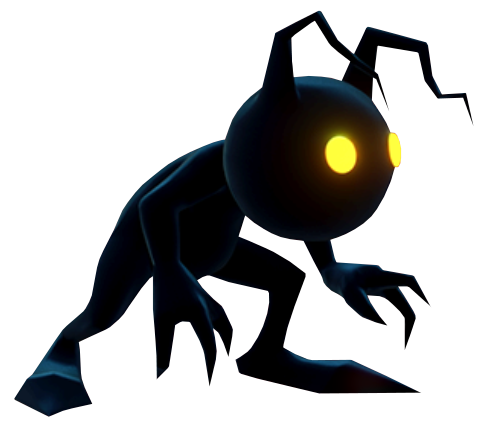
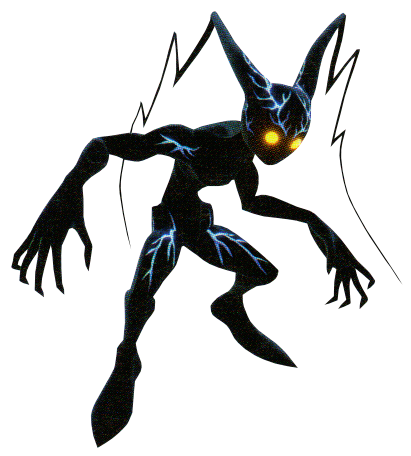
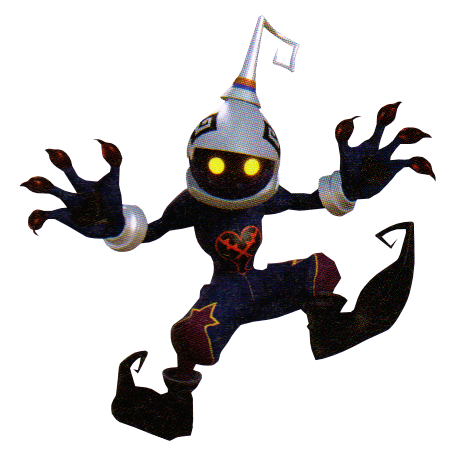
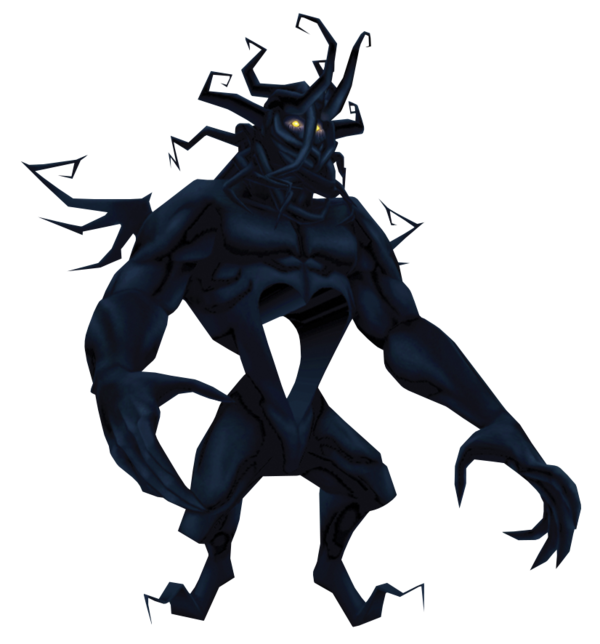
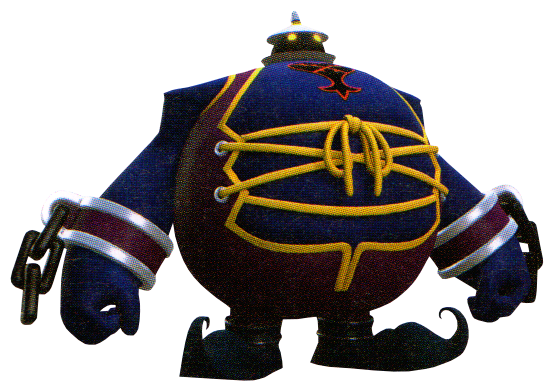
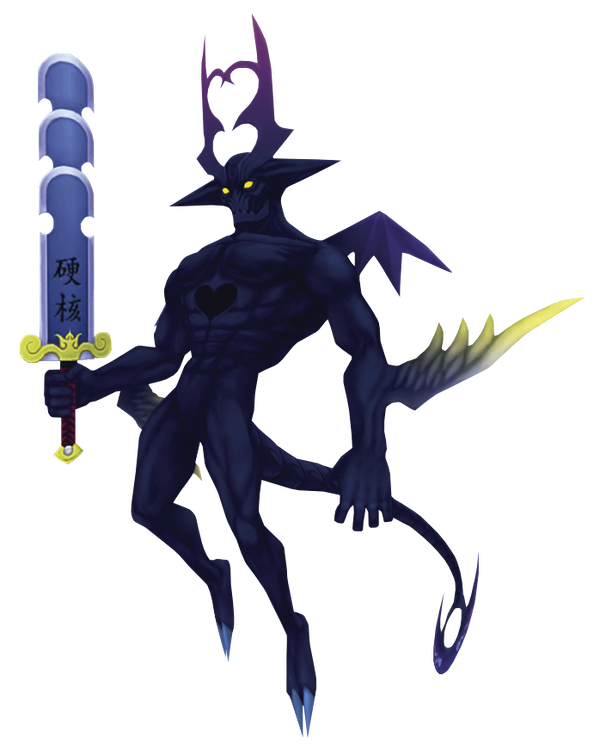
Heartless. The first enemies the lower classmen fought, in a desert city, on the search for the missing upper classmen.
A vessel for darkness. Vidar's discovery about Baldr: the darkness had taken Baldr as a vessel and could not be reached any other way. The only way to destroy it was to destroy the body it stood in. Nothing was put into Baldr from outside. The darkness grew in him out of what he felt in everyone else, the darkness they all had and held down, until it was his own.
Kingdom Hearts. Baldr meant to kill thirteen lights to summon it. Years later, Xehanort came to believe that summoning it was "the only way."
The false light. Xehanort's name for the light the world holds up. He watched it hide Baldr's darkness until that darkness killed his friends, and he stopped believing in it. He did not stop believing in light itself.
Thirteen lifetimes. Xehanort's conclusion that the world needs rebuilding, not repairing, and that one lifetime is too short to do it. He would need thirteen. Then: "Scratch that. One more to explore the new world."
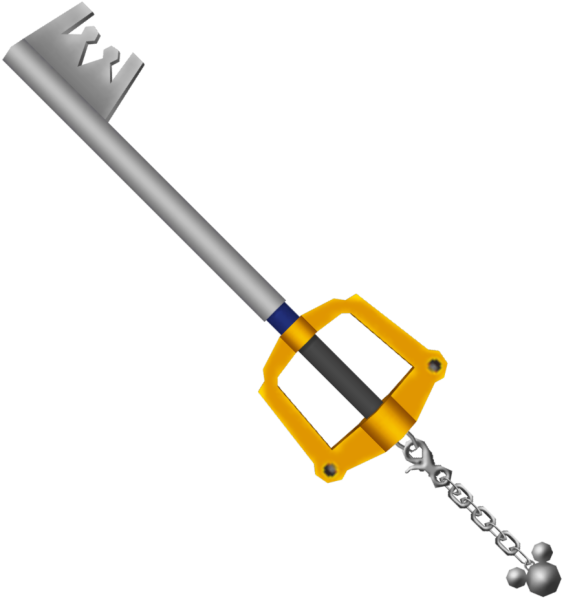
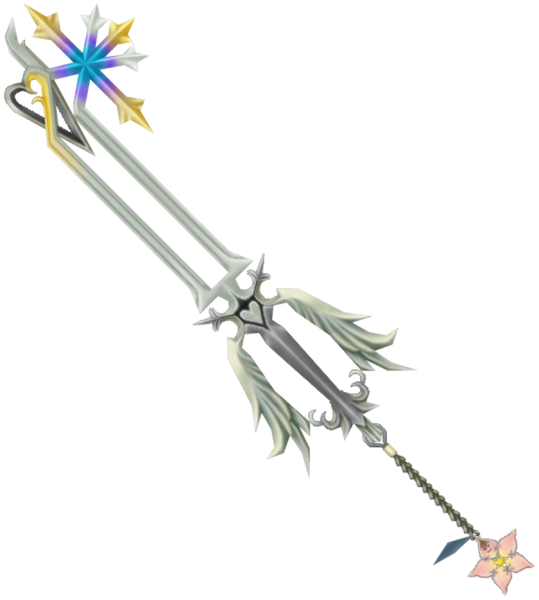
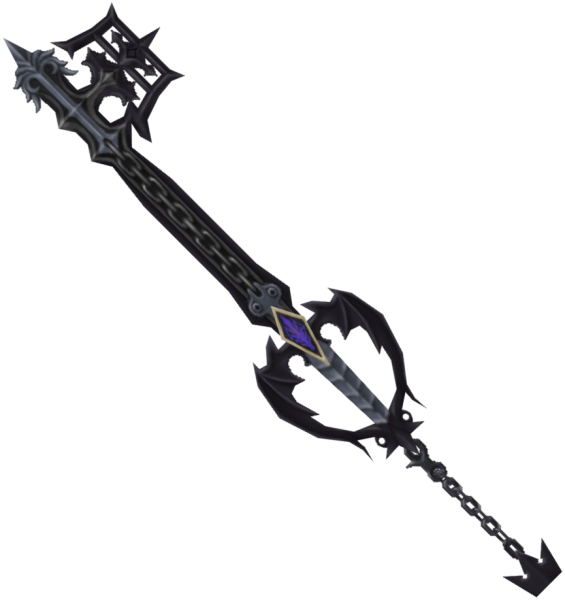
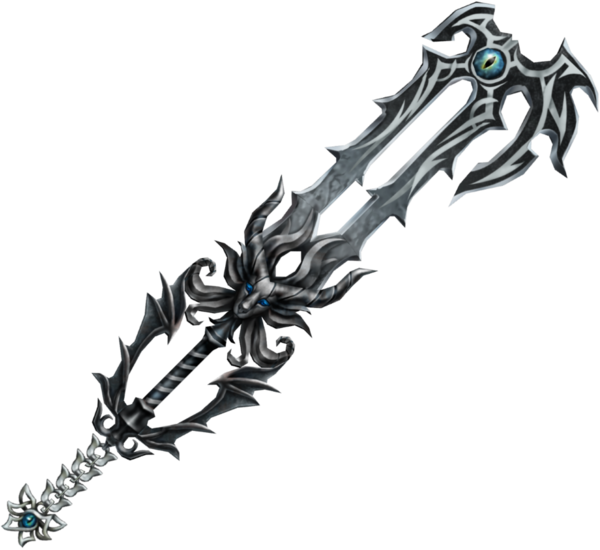
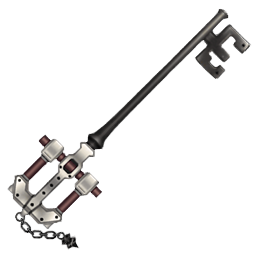
The Master's Defender and the No Name. The Keyblades given to Eraqus and Xehanort when they were made Keyblade Masters on the same day, seven years after Xehanort arrived. Eraqus, called the true heir, received the Master's Defender. Xehanort received the No Name, which Eraqus called a Keyblade from the era of the Lost Masters.
The graveyard. A long graveyard on the far side of the city. Four stones went up there for the classmates: Hermod, Urd, Vor, and Bragi.
Characters and where they stand
Xehanort. Curious, restless and very sure of himself, and early on troubled by the idea that darkness can hide inside someone without their knowing. He struck Baldr down himself and carried it for years. He became a Keyblade Master alongside Eraqus, turned against the false light, fought Eraqus over summoning Kingdom Hearts, and left. As an old man, he went back to the mirror to ask whether the friends from his dreams had ever truly existed.
Eraqus. Late to everything, funny on purpose, and the reason the class held together. He believed that darkness must be got rid of entirely, a conviction he put down to his family, since his grandfather had fought it too, and he wants to be a beacon for people lost in it. Made a Master and the true heir, he raised his Keyblade against Xehanort "as a true friend," and they parted.
The man in the cloak. He raised Xehanort on the islands from infancy, taught him about light and darkness, and never once lowered his hood. He died when Xehanort was in his early teens.
The hooded figure. Came to Xehanort on the islands soon after the man in the cloak died, would not say who he was, and opened the corridor that took him to the city.
Master Odin. The old Keyblade Master who took Xehanort in and taught the class. He meant to stand down, with Xehanort and Eraqus replacing him, and arranged their examination early.
Vor. The small one, who got separated from the group and found the mirror. Baldr struck her down. Xehanort and Eraqus reached her in time to say goodbye, and she faded while they were still talking to her.
Hermod. A classmate who went looking for Baldr and found him. Baldr killed him with darkness.
Urd. A classmate who went with Hermod into a corridor of darkness to find Baldr. Baldr killed her too.
Bragi. The quiet one, never lost by accident and never far from trouble, and so easy to overlook. He was counted among the dead and given a stone. A month later, a man walked through the empty graveyard and put his hood back, and the face was Bragi's. There had never been a Bragi, only a body with somebody inside it. Nobody ever found out.
Baldr. He could feel the darkness in everyone's heart, and the way they held on to the light against it, until the darkness he felt became his own. He killed his classmates and meant to kill thirteen lights to summon Kingdom Hearts. Xehanort struck him down.
Hoder. Baldr's sister, an upper classman. She faded into light reaching out toward her brother.
Vidar. An upper classman who came for Baldr and worked out what had happened to him. He gathered the others to do what had to be done, and they were killed. He lived long enough to apologise and hand the task to Xehanort.
Questions
Why does Xehanort remember Ephemer, Skuld, Brain, Lauriam and Ventus, people he has never met?
Who was the man in the cloak who raised Xehanort, and why did he never lower his hood?
Who was the hooded figure who sent Xehanort off the islands?
Will Xehanort ever see his mother again?
What did Baldr say before Xehanort struck him down?
Who was living inside Bragi's body?
How does Xehanort mean to summon Kingdom Hearts, and what will he do with thirteen lifetimes?
Will Xehanort and Eraqus meet again, and will they still be friends?
Fun facts
A class of Norse gods. Xehanort's teacher and every one of his fellow students except Eraqus is named for a figure from Norse mythology. Odin is the chief of the gods. Hermod is their messenger, Vor a goddess of wisdom, Urd one of the Norns who watch over the past, and Bragi a name tied to poetry. Vidar is known for avenging his father. In the myths, Baldr is the god of light, and his death at his brother Höðr's hand begins the chain of events that ends the world. Here, Hoder is his sister.
Project Xehanort. The game was first announced in January 2020 under the working title "Project Xehanort," with a guess-the-name campaign whose clue was "8 letters, 2 words." The real title was revealed a week later.
An ending that almost went missing. The game's servers shut down in 2021 before its story was finished. Square Enix promised the ending would come in an offline version, which was delayed more than once and finally released in August 2022.